Corporate finance and financial analysis
From the monthly numbers to the sale of the company.
I’m Rob Rattray, a Chartered Management Accountant with a background in investment banking. Through R2 Finance I help owners, finance directors and boards find what drives profit and cash, plan ahead, and value, buy or sell a business. I do the work myself and show where the figures come from.
Talk it through, in confidence How a company sale works
Based in Shoreham-by-Sea, West Sussex. Working with companies across the UK.
- Investment banking
- Rabobank, Bear Stearns, Robert W. Baird and Dawnay Day
- Accountancy
- Chartered Management Accountant and CIMA member in practice
- Corporate finance
- Corporate Finance qualification (CF), awarded by ICAEW. Chartered FCSI
- Own practice
- R2 Finance, since 2014
What I do
I work on three kinds of question, often for the same client at different times.
Understand the business
- Profit and cash analysis
- Most companies hold far more data than their monthly reports use. I bring it together, from the accounting system and the operating systems, and show where profit and cash are made and lost: by customer, product, channel or contract. I work in Excel’s Data Model and use AI tools where they help.
Plan and run it
- Support for finance directors and investor-backed teams
- Extra capacity for a finance director, or for a management team backed by private equity: cash-flow forecasting and management, the analysis behind an acquisition, and the commercial and operational projects that the monthly routine leaves no time for.
- Financial models and forecasts
- Integrated forecasts for single companies and groups, acquisition models and scenario analysis, set out so that someone else can follow them line by line.
- Forward planning for family businesses
- For smaller family companies, a plan for the next few years in figures: where the business is heading, what that needs in cash, and what it means for the family as owners.
Value, buy or sell it
- Valuation and sale preparation
- An indicative value range, with the assumptions set out so you can challenge them, and a review of the business as a buyer will see it, a year or two before a sale.
- Selling a company
- I run the sale of a whole company, or of a controlling stake in one, from start to completion: positioning, the information memorandum, the approach to buyers, offers, heads of terms and the due diligence that follows.
- Due diligence and deal analysis
- Financial due diligence for acquirers, and analysis of normalised working capital and net debt for either side.
- Disputes
- Financial analysis for parties and their solicitors when a transaction ends in disagreement, including warranty claims, completion accounts and questions of value.
Work has included
Clients are not named here. These are examples of the work.
- Reviewed a product range line by line and modelled the mix that best served growth and value.
- Tied a company’s web analytics to its own e-commerce data to review how its online sales performed.
- Built a probability-weighted forecast of year-end results for a company where cash was critical.
- Calculated normalised working capital and surplus cash ahead of a sale.
- Modelled an earn-out to show what the sellers would receive under different outcomes.
Who I work with
Typically I work for family-owned companies and companies backed by private equity, and with a boutique corporate finance firm.
-
Owners and shareholders
Established private companies, including family businesses, from finding where the profit comes from to valuing and selling the company.
-
Finance directors and management teams
Including teams backed by private equity, who need extra capacity for forecasts, models and projects.
-
Acquirers
Buyers who want a target’s figures examined before they commit.
-
Other advisers
Corporate finance firms, accountants, solicitors and business coaches, for analysis on a transaction or for their own clients.
I have particular experience in professional services, consumer retail and technology, including software and SaaS. Recent work has also covered business services, engineering and manufacturing, and financial services.
How I work
-
You deal with me
I take on a limited number of engagements at a time and do the work myself. I use software and AI tools where they speed up the analysis, and I check the output against the source before it reaches you.
-
Figures you can trace
Figures in a valuation or an information memorandum are traced to filed accounts, management records or a stated forecast, and labelled so you can tell which is which. I check the arithmetic before a document goes out.
-
Independent
I am not tied to any buyer, lender or investor. Fees are agreed in writing before any work starts.
-
Alongside your advisers
I work with your accountant, solicitor and tax adviser. Where a transaction needs a specialist, I say so early.
-
Discreet
Transactions are not announced here or on social media. References from former clients are available on request.
How a sale runs
A sale usually takes six to twelve months from appointing an adviser to completion. It passes through six stages.
Decide
Settle what you want from a sale, and when.
Value and prepare
Establish a realistic range and fix what a buyer would question.
Prepare the documents
Write the teaser, the information memorandum and the forecast.
Approach buyers
Contact a researched list in confidence, under a confidentiality agreement.
Offers and heads of terms
Compare offers on structure as well as price, then record the main terms.
Due diligence and completion
Manage the buyer’s enquiries and the contract through to completion.
About the name
r² is a statistician’s measure of how much of a result an analysis explains. It runs from 0 to 1. I chose it because advice should rest on what the figures can show.
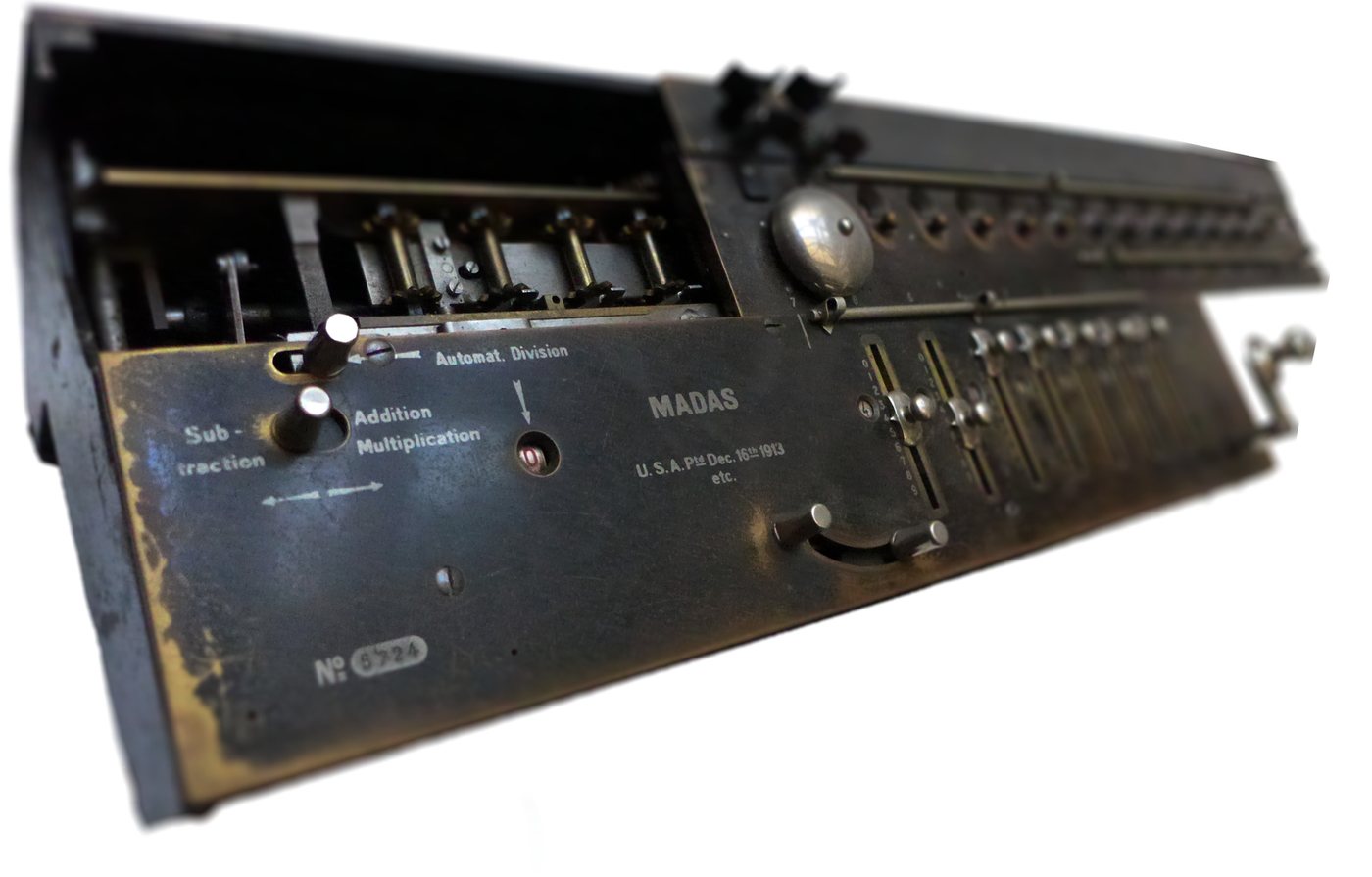
The machine at the top of this page belonged to my grandfather, who was an actuary. It is a MADAS, a Swiss mechanical calculator from the 1940s, and its name lists what it did: multiplication, automatic division, addition, subtraction.
About Rob Rattray
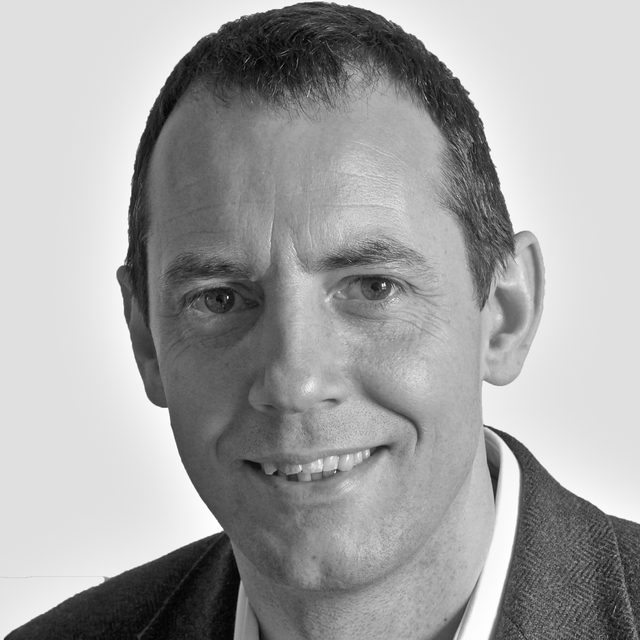
I began as a transport planner and modeller, moved into investment banking at Rabobank, Bear Stearns, Robert W. Baird and Dawnay Day, and then worked in corporate development for start-ups and technology companies. I founded R2 Finance in 2014.
I am a Chartered Management Accountant, hold the Corporate Finance qualification awarded by ICAEW and am a Chartered Fellow of the CISI.

Start with a conversation
A first conversation is confidential and costs nothing. Tell me a little about the business and what you are considering, and I will tell you plainly whether I can help.
- rob@r2-finance.com
- Telephone
- 01273 942307
- Office
- Basepoint Centres – Shoreham, Little High Street, Shoreham-by-Sea, West Sussex BN43 5EG
- linkedin.com/in/robertrattray